Search results
1301
[Page extract]
Methods and applications
Common test methods
Most single lap shear tests are carried out under tensile loading, but the method can vary depending on material type, bond configuration and industry require
1302
Event
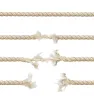
Tensile Testing: Pull Force & Break Strength
Whether it is medical tubing, plastic straws, copper wire or zip ties, pull force and break strength testing is critical not only to production quality but also to consumer safety.
1303
[Page extract]
Applications and benefits
Industrial applications
Tension and compression testing is used across multiple industries to validate design performance, assure quality, and meet regulatory requirements:
1304
[Page extract]
ISO 505
ISO 505 specifies a method of test for the measurement of the propagation resistance of an initial tear in textile conveyor belts, either in full thickness or of the carcass only.
1305
[Page extract]
ISO 7886-4
This document specifies requirements for sterile single-use hypodermic syringes made of plastic and rubber materials with or without needle, and intended for the aspiration of fluids or for the injection of fluids immediately after filling and of design
1306
[Page extract]
Benefits of box crush and packaging compression tests
Compression testing offers both commercial and technical benefits for manufacturers and logistics operations.
1307
[Page extract]
ISO 7623
ISO 7623 specifies a method for determining the bond strength of metal cords to their surrounding coating, either in the initial state or after thermal treatment.
1308
[Page extract]
BS ISO 7322
This International Standard specifies test methods for the determination of the following characteristics of composition cork (= product obtained from the agglutination of cork granules with the addition of a binder generally not derived from cork cells
1309
[Page extract]
ISO 6922
Specifies a method for determining the bond strength of a butt joint when subjected to tensile force. The method is applicable to all types of adhesives.
1310
[Page extract]
ASTM D7834-13
During the application of coatings, paint brushes can exhibit shedding of filling material onto the coated surface. A measure of this shedding filling material will determine the paint brush’s ability to resist shedding during application.
1311
[Page extract]
Mecmesin equipment for 90-degree peel testing
Mecmesin provides a range of test systems designed for peel and adhesion applications:
1312
[Page extract]
Introduction to tear testing
Tear testing is a quality control procedure used to measure the resistance of a material to tearing under controlled conditions.
1313
[Page extract]
BS EN ISO 9001
ISO 9001 has been revised to reflect the many changes in the way we now do business – new technology, greater access to information, higher customer expectations, globalization and increasing importance of service industries.
1314
[Page extract]
*corp 01M-01-217
To determine the maximum force required to rupture (break) a woven fabric.
1315
[Page extract]
FINAT FTM1
This test method is designed to quantify the permanence of adhesion or peelability of self-adhesive pressure sensitive) materials.
1316
[Page extract]
BS EN 71-1
This European Standard specifies different forces or loads to be used when testing toys intended for children of different age groups.
1317
[Page extract]
ASTM D5467 / D5467M-97
ASTM D5467 is a test method that determines the in-plane compressive properties of polymer matrix composite materials reinforced by high-modulus fibers in a sandwich beam configuration.
1318
[Page extract]
Introduction to compressive modulus
Compressive modulus, also known as the modulus of elasticity in compression, is a key mechanical property describing a material’s ability to resist deformation under compressive load.
1319
[Page extract]
ASTM D6049-03
This test method is capable of measuring and characterizing the rheological behavior (viscosity and elasticity) of unvulcanized raw rubbers and rubber compounds, relating to the macro structure of rubber polymers (average molecular weight, molecular wei
1320
[Page extract]
CETIE Guide 4
This document concerns the crowning process, using crown caps for which the seal is provided by a plastic liner, onto glass finishes adapted to either "pry-off" or "twist crown" applications.
1321
[Page extract]
ISO 13445
Specifies a method for the determination of the shear strength of adhesives used to bond materials with elastic moduli higher than the elastic modulus of the adhesive.
1322
[Page extract]
ISO 36
ISO 36 determines the strength required to separate two plies of fabric bonded together with rubber, or a rubber and a fabric ply bonded together. This test is referred to as a “T-peel” test, because as the two adherends are pulled apart, they form the
1323

Event
Essentials of Adhesion (Peel) Testing
Across many households and industries, consumers have developed a strong preference for and confidence in ‘Duct Tape’ for all types of uses and applications. This is mainly due to the adhesion strength.
1324
[Page extract]
Key test standards for cone penetration
BS EN 14372 overview
BS EN 14372 is a key European standard for cutlery and feeding utensils intended for children up to three years of age.
1325
[Page extract]
ASTM D3474
This standard covers the calibration and use of torque meters of the type normally used in packaging applications.