Search results
1076
[Page extract]
ASTM F2256-05
This test method is intended to provide a means for comparison of the adhesive strengths of tissue adhesives intended for use as surgical adhesives or sealants, or both, on soft tissue.
1077
[Page extract]
BS ISO 6133
BS ISO 6133 specifies five methods of calculating, after testing, the tear strength and the adhesion strength of vulcanized rubber or fabrics coated with or adhered to rubber or plastics.
1078
[Page extract]
SAE AMSSTD
This standard covers the general requirements and methods for testing sandwich core materials and for testing sandwich construction of the types used primarily in aircraft structures.
1079
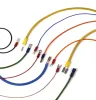
Event
Tensile Testing for Wiring Harness Connections
The only way of really knowing the strength of a crimped terminal is to pull it. This can reveal production problems, where strand nicks, incorrect crimp height, or effects from changes in terminal supply, may not be clearly apparent.
1080
[Page extract]
ISO 10768
This International Standard specifies a test method for the determination of the resistance of elastic materials for footwear, to repeated extension produced during normal walking. The test can be carried out before and after accelerated ageing.
1081
[Page extract]
ASTM D2105
ASTM D2105 determines the comparative longitudinal tensile properties of fiberglass pipe when tested under defined conditions of pretreatment, temperature, and testing machine speed.
1082
[Page extract]
CETIE Guide 12
This guide describes the five essential rules to be observed to properly crimp a pump with an aluminium ferrule on an FEA type glass finish used for perfumery, according to the EN 14854 standard and the Cetie document GME 40.05.

1084
[Page extract]
ISO 3037
Specifies an unwaxed edge method for the determination of the edgewise crush resistance of corrugated fibreboard. It is applicable to all corrugated fibreboard grades.
1085
[Page extract]
ASTM D3163
ASTM D3163 is a test method used to determine the single-lap shear adhesive joints of rigid plastic adherends. The test method is useful for generating comparative shear strength data for joints made from a number of plastics.
1086
[Page extract]
ISO 7886-2
This document specifies requirements for sterile single-use hypodermic syringes of nominal capacity 1 ml and above, made of plastic materials and intended for use with power-driven syringe pumps. Annexe B covers the Pump Force to be measured.
1087
[Page extract]
ASTM D3983
This test method describes a method of measuring the shear modulus and rupture stress in shear of adhesives in bonded joints.
1088
[Page extract]
BS EN 62275
This International Standard specifies requirements for metallic, non-metallic and composite cable ties and their associated fixing devices used for the management and support of wiring systems in electrical installations.
1089
[Page extract]
ASTM C133-97
ASTM C133-97 outlines standardized test methods for determining the cold crushing strength and modulus of rupture of refractory materials.
1090
[Page extract]
ASTM D3167
ASTM D3167 is used to determine the average peel strength or force of an adhesive and bonding agents through the use of floating roller fixtures. This is used to compare adhesives or to compare adhesive surface preparation procedures.
1091

Event
Compressive Crush Force Testing
This webinar will focus on identifying and troubleshooting variables that impact compressive force testing, setting up repeatable compression force tests and establishing consistent testing standards for your products.
1092
[Page extract]
BS EN ISO 844
ISO 844 specifies a method of determining a) the compressive strength and corresponding relative deformation, or b) the compressive stress at 10 % relative deformation, and c) when desired, the compressive modulus of rigid cellular plastics.
1093
[Page extract]
ASTM D4482-11
ASTM D4482 is a test method used to determine the fatigue life of rubber compounds undergoing a tensile-strain cycle. During part of the cycle, the strain is relaxed to a zero value.
1094

Event
Chinaplas 2025
Mecmesin - Will participate in the upcoming The 37th International Exhibition on Plastics and Rubber Industries (Chinaplas)
1095
[Page extract]
ISO 1798
ISO 1798 specifies a method for determining the strength and deformation properties of flexible cellular materials when a test piece is extended at a constant rate until it breaks.
This test standard is equivalent to BS EN ISO 1798:2008
1096
[Page extract]
BS EN 671-1
Fire hydrants, Fire hoses, Firefighting equipment, Flexible pipes, Fire hose reels, Hose reels, Fire safety in buildings, Performance, Approval testing, Corrosion tests, Ageing tests, Flow measurement, Endurance testing, Impact testing, Pressure testing
1097
[Page extract]
ASTM D3480
These test methods cover the measurement of the downward force required to open or activate child-resistant snap-engagement packages.
1098
[Page extract]
ISO 36
ISO 36 determines the strength required to separate two plies of fabric bonded together with rubber, or a rubber and a fabric ply bonded together. This test is referred to as a “T-peel” test, because as the two adherends are pulled apart, they form the
1099
[Page extract]
ASTM D 2979
1.1 This test method covers measurement of the pressure sensitive tack of adhesives.