Search results
1976
[Page extract]
ASTM D5467 / D5467M-97
ASTM D5467 is a test method that determines the in-plane compressive properties of polymer matrix composite materials reinforced by high-modulus fibers in a sandwich beam configuration.
1977
[Page extract]
ASTM D3810
This test method covers the determination of or the recommendation for minimum application torque that results in a fully degraded removal torque that is at a level greater than the maximum expected reverse-ratchet torque for a Type IA child-resistant c
1978

Event
Cap Closure and Removal Torque Testing
The primary objective for measuring and analyzing the torque characteristics of a container cap is to accurately determine not only the quality of the part or process, but also the root cause of a wide variety of defects.
1979
[Page extract]
ISO 1798
ISO 1798 specifies a method for determining the strength and deformation properties of flexible cellular materials when a test piece is extended at a constant rate until it breaks.
This test standard is equivalent to BS EN ISO 1798:2008
1980

Event
Fundamentals of Texture Testing Analysis
The primary goal for using instrumentation to measure texture is to capture an objective value to something that is typically evaluated very subjectively. Texture cannot be controlled unless it measured in a consistent and repeatable manner.
1981
[Page extract]
ISO 36
ISO 36 determines the strength required to separate two plies of fabric bonded together with rubber, or a rubber and a fabric ply bonded together. This test is referred to as a “T-peel” test, because as the two adherends are pulled apart, they form the
1982
[Page extract]
ASTM D6264 /D6264M-17
In ASTM D6264 a quasi-static indentation (QSI) test method is used to obtain quantitative measurements of the damage resistance of a continuous-fibre-reinforced composite material to a concentrated indentation force
1983
[Page extract]
BS 6319-7
BS 6319-7 is a test method for determining the tensile strength of resin and polymer/cement compositions for use in construction.
1984
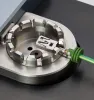
Event
Wire Terminal Strength & Crimp Testing Webinar
The only way of really knowing the strength of a crimped terminal is to pull it.
1985
[Page extract]
ASTM D3577
1. Scope ... 1.1 This specification describes certain requirements for packaged sterile rubber surgical gloves used in conducting surgical procedures.
1986
[Page extract]
ISO 20502
SO 20502:2005 describes a method of testing ceramic coatings by scratching with a diamond stylus.
1987
[Page extract]
ASTM D413-98
ASTM D413 is a test method used to determine the force per unit width required to separate a rubber layer from a flexible substrate such as fabric, wire or sheet metal.
1988
[Page extract]
BS EN ISO 9000
ISO 9000 gives an overview of the fundamentals and concepts around quality management.
1989
[Page extract]
ISO 8364
ISO 8364:2007 specifies requirements and test methods for the binding mounting area and free space area, ski bindings and retention devices of alpine skis, in order to optimize the compatibility of the functional unit "ski binding - retention device - b
1990
[Page extract]
BS EN 1607
This European Standard specifies the equipment and procedures for determining the tensile strength of a product perpendicular to its faces. It is applicable to thermal insulating products.
1991
[Page extract]
ASTM D229
ASTM D229 is a test method, which provides useful engineering information for evaluating the mechanical behaviour of rigid electrical insulation at elevated temperature.
1992
[Page extract]
ASTM D2105
ASTM D2105 determines the comparative longitudinal tensile properties of fiberglass pipe when tested under defined conditions of pretreatment, temperature, and testing machine speed.
1993
[Page extract]
ISO 8510-1
Particularly suitable for use with less flexible adherends for which a 180 ° peel test is not suitable because the adherends crack, break or delaminate. A bonded assembly of two adherends is prepared using the adhesive under test.
1994

Event
Essentials of Adhesion (Peel) Testing
Across many households and industries, consumers have developed a strong preference for and confidence in ‘Duct Tape’ for all types of uses and applications. This is mainly due to the adhesion strength.
1995
[Page extract]
SAE J1525
This SAE Recommended Practice describes a lap shear test method for use in measuring the bonding characteristics of automotive-type adhesives for joining fiber reinforced plastics to themselves and to metals.
1996
[Page extract]
ISO 12625-5
ISO 12625-5:2005 specifies a test method for the determination of the wet tensile strength of tissue paper and tissue products after soaking with water, using a tensile-strength-testing apparatus operating with a constant rate of elongation.
1998
[Page extract]
ISO 7622-1
ISO 7622-1 specifies a method for the determination of the elongation of steel cords constituting the carcass of conveyor belts, when subjected to a force corresponding to 10 % and 60 % of the specified tensile strength.
1999

Event
Fundamentals of Food Texture Testing and Analysis
Texture cannot be controlled unless it measured in a consistent and repeatable manner.
2000
[Page extract]
ASTM D5034-09
This test method covers the grab and modified grab test procedures for determining the breaking strength and elongation of most textile fabrics. Provisions are made for wet testing.